Morse Code for Kids: 7 Fun Ways to Learn Dots and Dashes
Make Morse code fun for kids with 7 hands-on activities: flashlight messages, secret notes, bead bracelets, and scavenger hunts that teach real code.
Published by
Morse Code Translator TeamThis article is published by the Morse Code Translator team. Technical and historical claims should be checked against the references linked in the article; see our editorial policy for how content is maintained.
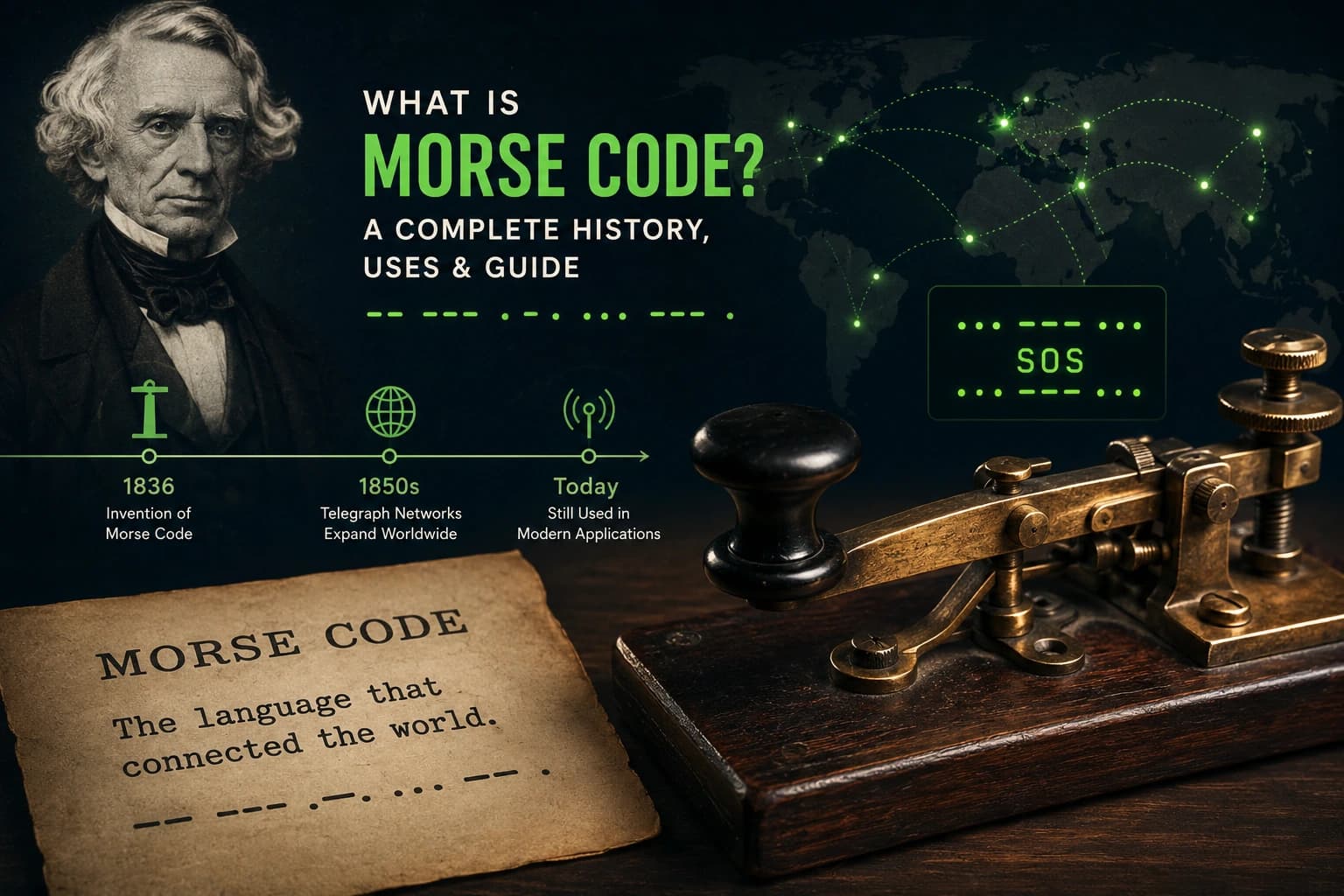
Morse code is one of the best “secret codes” you can teach a child: it is real, it is used by real people, and it can be sent with a flashlight, a tap, or a blink. These seven activities teach genuine International Morse code while feeling like play.
1. Flashlight Messages After Dark
The classic. One child sends a word with a flashlight (short flash = dot, long flash = dash) while the other decodes it with the Morse Code Alphabet chart. Start with three-letter words like CAT or DOG, then work up to names. Keep sessions short and always supervise flashlight play.
2. Secret Tapped Notes
Tap messages on a table, a wall, or a sibling's shoulder: light tap for dot, heavier tap for dash. Kids love passing “classified” messages across the dinner table. Begin with HI (.... ..) and SOS (... --- ...), the two patterns every beginner should know first.
3. Morse Code Bead Bracelets
Assign small beads to dots and long beads to dashes, then spell a name or a word like LOVE in bracelet form. This is a wonderful craft for parties, and the finished bracelet is a wearable cheat sheet. Double-check the pattern with a Morse Code Translator before stringing the beads.
4. Backyard Scavenger Hunt
Write clues in Morse code and hide them around the house or yard. Each decoded clue leads to the next hiding spot. This is the single most motivating activity on this list: children will happily decode twenty words when treasure is involved.
5. Clap the Rhythm
Morse code is a rhythm before it is a code. Clap short-long patterns and have kids guess the letter. This builds the listening skill that real operators rely on, and it works as a car game or classroom warm-up with zero equipment.
6. Dots and Dashes Art
Let kids draw, paint, or stamp Morse messages as art. Writing their name in Morse as a poster for their bedroom wall combines creativity with repetition, and repetition is what moves patterns into memory.
7. The Quiz Challenge
Once a few letters stick, turn it into a game show. Our free Morse Code Quiz is perfect for this: take turns, keep score, and let the winner pick the next word to learn from the words and phrases index.
Tips for Parents and Teachers
- Keep sessions under 15 minutes. Short, frequent practice beats long slogs.
- Start with the easiest letters: E (.), T (-), A (.-), and N (-.) before tackling longer patterns.
- Learn together. Kids persist longer when the adult is visibly learning too.
- Celebrate decoding, not speed. Accuracy first; speed follows naturally.
What Kids Actually Retain
Children who learn through play typically remember the full alphabet within a few weeks and, more importantly, keep the idea that codes are fun. That curiosity often leads to an interest in ham radio, puzzles, and STEM topics later on. For a structured path once the basics click, the Learn Morse Code guide takes over where games leave off.
Frequently Asked Questions
What is the easiest Morse code for kids to learn first?
Start with E (one dot) and T (one dash). They are single-signal letters, so kids can send and recognize them immediately. Then add A and N, which each combine one dot and one dash.
Can kids learn Morse code with a flashlight?
Yes. A flashlight works well for beginners: a quick flash is a dot and a longer flash is a dash. Kids can send short words across a dark room, which makes practice feel like a game.
At what age can kids start learning Morse code?
Many children can start around age 5 or 6 with game-based activities like flashlight messages, clapping rhythms, and secret-note decoding. Short, playful sessions work better than long drills.
Is learning Morse code useful for kids today?
It builds pattern recognition, focus, spelling awareness, and an appreciation for communication history. It also gives kids a fun secret code they can share with friends and family.
Keep Learning
Related Articles
How to Use a Morse Code Translator: A Beginner's Guide
Learn to use a Morse code translator step by step: text to Morse, Morse to text, spacing rules, and 5 accuracy tips.
The Titanic's Morse Code Distress Calls: What Happened
The true story of the Titanic's wireless room: Phillips and Bride, the CQD and SOS calls in Morse code, and how the disaster changed radio law.
Ham Radio CW: Getting Started with Morse Code
New to ham radio CW? Learn what continuous wave is, why Morse code still thrives, the Koch learning method, and how to make your first contact.